Axiom Space and ESA agree to cooperate
Lucerne/Houston/Paris - Axiom Space and the European Space Agency (ESA) are working together to expand European access to low-Earth orbit for the post-International Space Station (ISS) era. Their plans include joint research, as well as flight opportunities and training for European astronauts.
Axiom Space and the ESA have signed a memorandum of understanding to cooperate. According to a statement from Axiom, the two organizations will explore opportunities for collaboration in developing space infrastructure, conducting research, and pursuing commercial activities in low-Earth orbit.
The background to this is that the ISS is scheduled to be decommissioned in 2030. After that, the era of commercial space stations is expected to begin. ESA and Axiom, a company focused on human spaceflight, are preparing for this transition through the memorandum of understanding. Axiom is headquartered in Houston, Texas, and has maintained a branch office in Lucerne since June 2026.
“The path to a sustainable human presence in space runs through international collaboration – reliable supply chains, shared innovation, and partners who bring real capability," said Dr. Jonathan Cirtain, CEO and President of Axiom Space. “Europe's contributions to microgravity science and deep space technology make ESA exactly that kind of partner.” He added that Axiom is looking forward to ESA and its member states joining the company as customers for future astronaut missions.
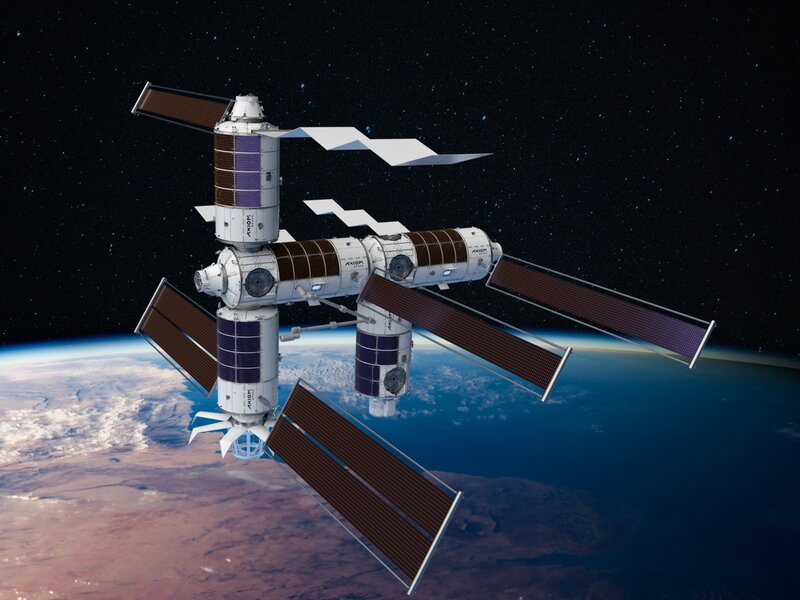
Under the agreement, Europe could use the Axiom space station, which is already under construction, while Axiom could, in turn, use European cargo return services. Through Axiom Space University Alliance’s international network, ESA will have opportunities to contribute to and advance European academic research, as well as help shape global research priorities. The MoU also includes potential collaboration on Axiom Space’s spacesuits.
According to Daniel Neuenschwander, Director of Human and Robotic Exploration at ESA, the documents that have now been signed underline both the agency’s commitment to “keep offering flight opportunities to our European astronaut corps, as well as the growing interest of international partners for our ongoing project to develop an autonomous European cargo vehicle”.